Did your last pen test give you clarity, or just another report?

Scapien helps security & IT teams meet penetration testing requirements while proving what attackers can exploit, prioritizing what matters, and verifying fixes worked.

Why More Security Data Doesn’t Always Mean More Clarity

Data Silos

Scanners, SIEMs, network tools, and reports all speak different languages. Your team is left stitching the story together.

Alert Fatigue

When every tool marks something urgent, it gets harder to know what needs attention first.

The Context Gap

Tools can show what is broken. They often do not prove whether it is exploitable in your environment, how it could impact the business, or how to close the risk.
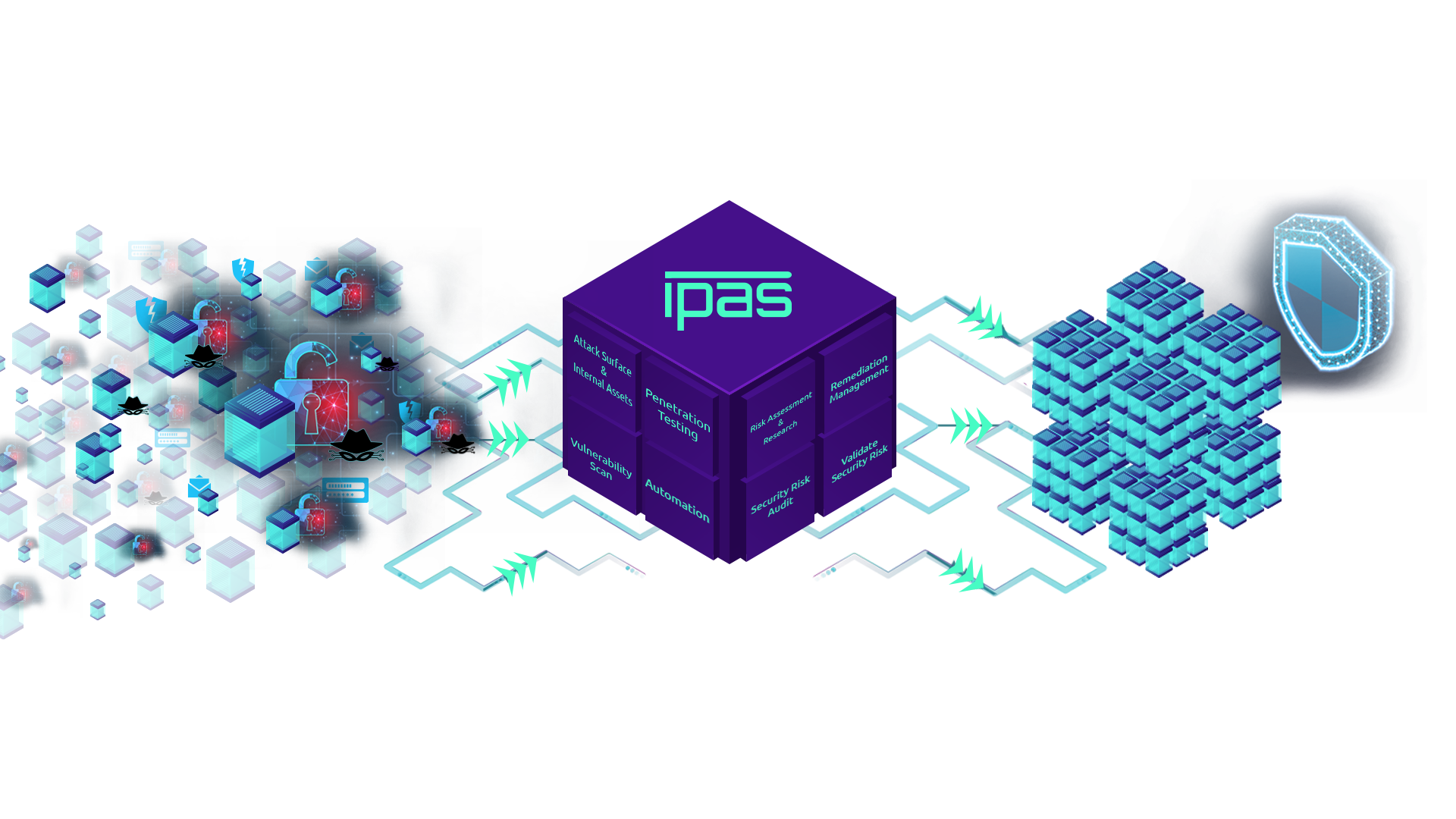
Order out of chaos graphic

Scapien turns security noise into proof, priority, and a clear path to closure.

Scapien combines human adversarial testing with intelligent automation across your full technology environment.

From credentials and applications to cloud, infrastructure, networks, IoT, OT, and connected systems, we validate real attacker paths and show which risks carry the greatest business impact.

You get proof of exploitability, business context, remediation guidance, closure validation, and executive-ready reporting in one risk lifecycle.

Explore Offensive Security
Human adversarial testing icon

Human Adversarial Testing

Adaptive attacker thinking

Intelligent automation icon

Intelligent Automation

Scale, consistency, coverage

Full Technology Environment

Credential strength
External attack surface
Network and data center
Cloud penetration testing
Web application
API
IoT
ICS and OT

Every Penetration Test Finds Something. The Question Is Whether It Helps You Reduce Cyber Risk.

Scapien connects testing, prioritization, remediation, and retesting into one verified risk-reduction lifecycle.

Buyer question Scapien Verified Risk Closure Traditional
Pen Test
Vulnerability
Scanner
Automated Testing /
BAS
What do you get? Verified risk closure Point-in-time assessment Vulnerability list Automated validation
How is exploitability proven? Human-led proof-of-exploit Tester validation within scope Usually not proven Predefined attack execution
How are priorities decided? Exploitability + business impact Severity + tester judgment CVSS / scanner severity Attack-path or control score
What does the team receive? Evidence, fix guidance, and retest criteria Findings and recommendations Vulnerability details / patch guidance Execution results and dashboard
What happens after the fix? Retested and verified through iPAS Optional retest Rescan Retesting may be supported
What can leadership use? Proof of what was exploitable, fixed, and verified Executive summary Vulnerability metrics Validation reporting

Want the full breakdown?

Compare how each approach handles exploitability, prioritization, remediation, and closure.

Read the full comparison

What Customers Say

Exploitable Attack Paths

Confirms which findings attackers can actually use, not just what scanners report.

Before Scapien, we were shooting in the dark.

Head of IT & Security, Manufacturing

Business Risk Clarity

Connects validated exposure to executive-level security risk and C-suite communication.

With Scapien, I know where my critical vulnerabilities are and can communicate our security risks to my C-suite.

vCISO, Healthcare

Deeper Adversary Validation

Tests whether attacker movement is actually possible and whether containment holds.

No other test even came close.

CIO, Retail

Verified Closure

Re-validates remediation so teams know whether critical attack paths are actually closed.

This blows away anything we’ve ever seen.

VP of Security, Travel